1. Avoiding residue buildup
Residue buildup is a frequent culprit behind floors that look dull despite regular mopping. This residue is often a thin film left by overused or improperly rinsed cleaning products. Instead of lifting dirt, the residue traps it, leading to a sticky or cloudy surface that attracts more grime and footprints.
One common source is using too much detergent or floor cleaner. The excess product does not fully rinse away and dries as a tacky layer. Another is the use of “shine-and-mop” products that contain acrylic polishes; these build up thin plastic layers that yellow and scuff over time, clouding the floor’s appearance.
To avoid residue buildup:
Always dilute floor cleaners according to the manufacturer’s instructions, never exceeding recommended amounts.
Rinse mop heads thoroughly between uses to prevent redepositing detergent.
Periodically clean floors with plain hot water and a microfiber cloth to remove residue layers.
Avoid frequent use of polish-type products unless professionally recommended.
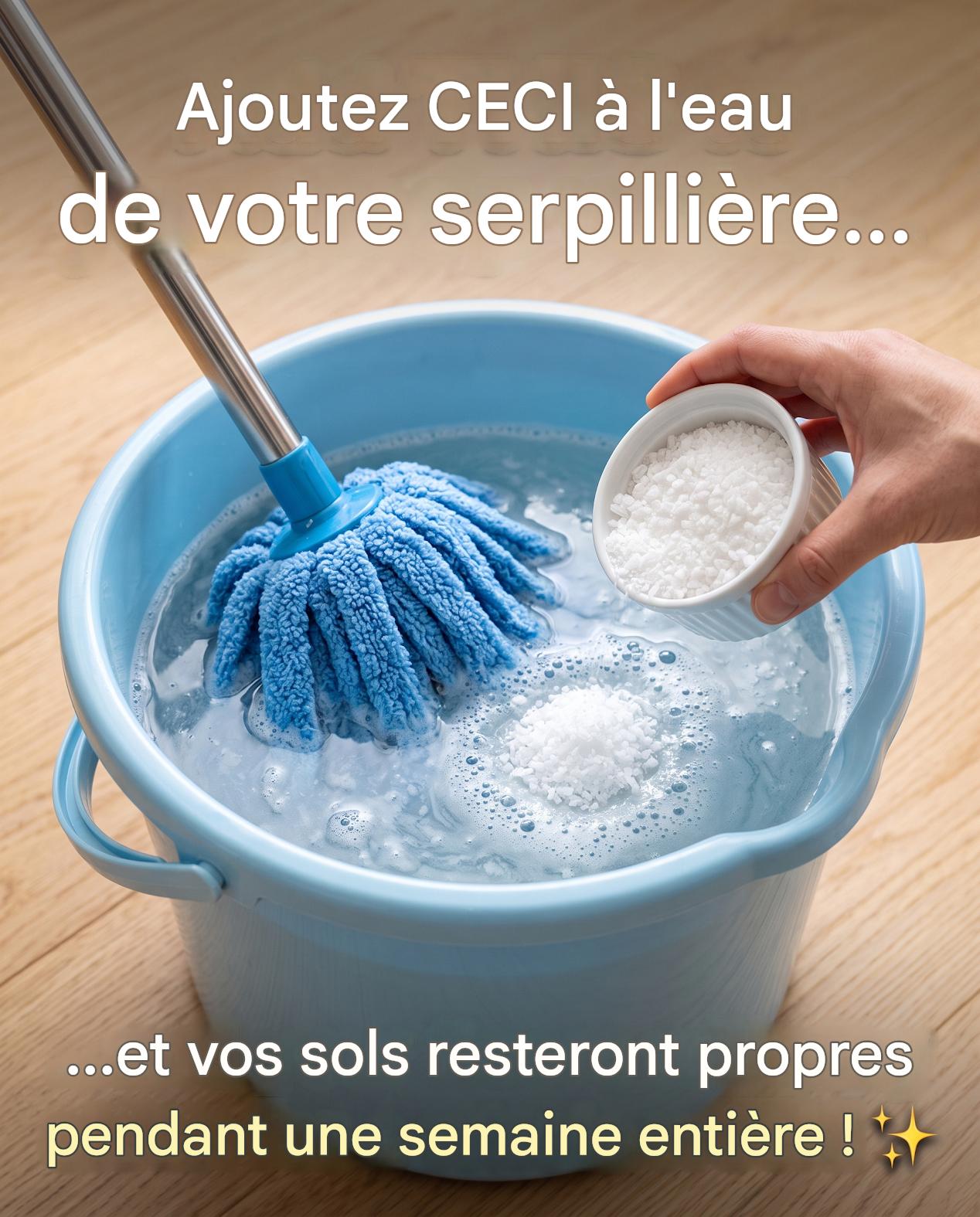
2. Proper mop water use
The quality and management of mop water play a critical role in maintaining floor shine. Using dirty mop water recirculates grime and leaves mineral deposits that dull floor surfaces. Hard water, high in calcium and magnesium, can leave a chalky film after drying that mimics dullness.
To use mop water effectively:
Change mop water frequently during cleaning sessions, especially when it becomes cloudy or visibly dirty.
Use warm water to help dissolve grease and dirt better, but avoid hot water unless specified by the floor manufacturer.
If you have hard water, consider using a water softener or distilled water for mopping to minimize mineral deposits.
Avoid adding highly alkaline substances like washing soda to mop water on hardwood or vinyl floors, as they may damage finishes and increase residue buildup.
Proper mop water use ensures dirt and cleaning agents do not accumulate and damage the floor finish, preserving the floor’s natural shine and longevity.
Continue Reading on the Next Page