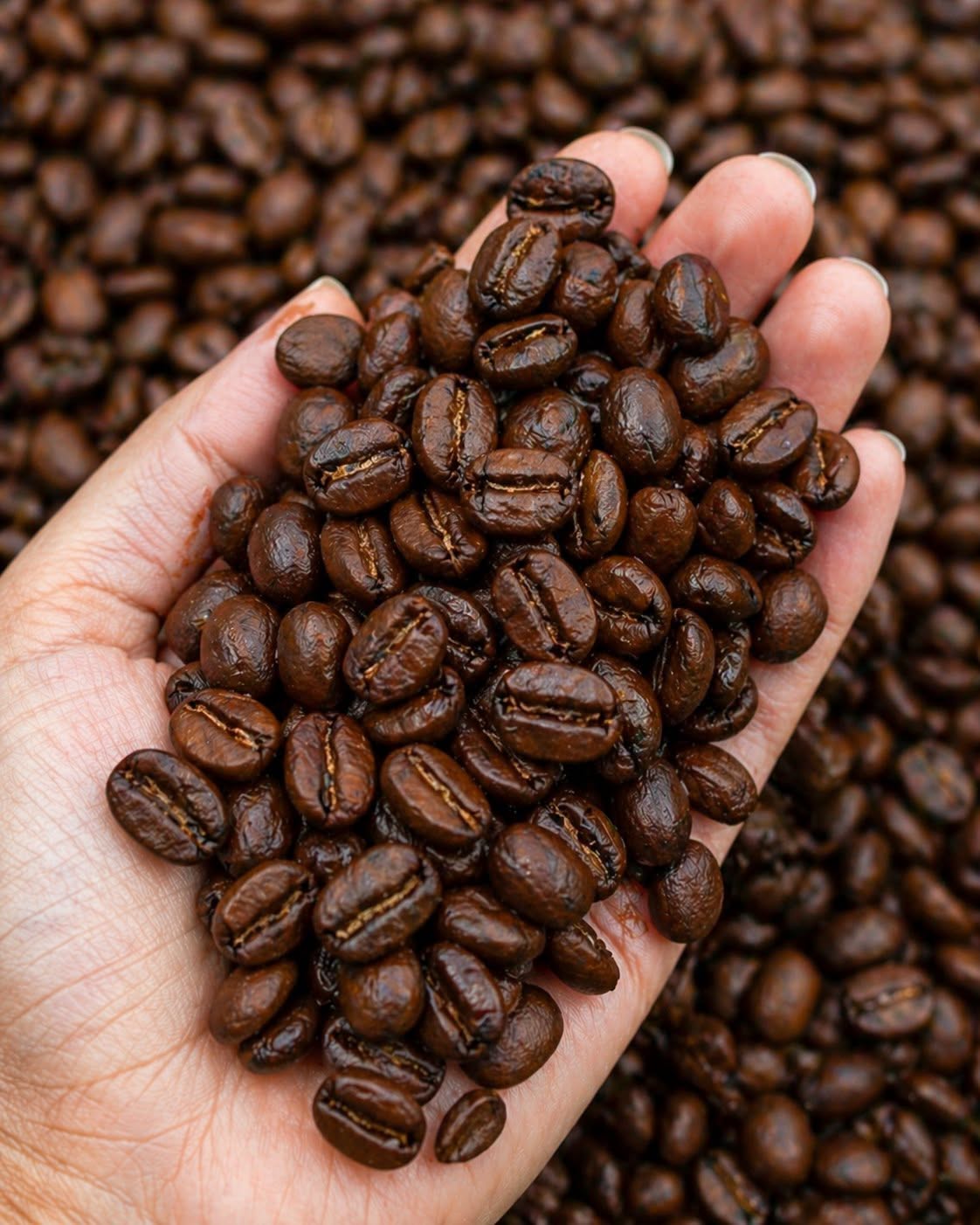
Kawa to ciemny, gorzki napój wytwarzany z palonych ziaren kawy, które rosną na krzewie kawowca . Ziarna kawy to w rzeczywistości nasiona, które są poddawane różnym stopniom palenia, aby uzyskać różne stopnie palenia.
Kawa jest najbardziej znana ze swojego pobudzającego działania, wynikającego z zawartości kofeiny. Według lekarzy z Kliniki Mayo, jedna filiżanka zwykłej parzonej kawy zawiera od 95 do 165 mg kofeiny. Jedna kawa espresso (30 ml) zawiera od 47 do 64 mg kofeiny. ( 1 )
Wartość odżywcza kawy
Rozpoczęcie dnia od filiżanki świeżo zaparzonej kawy nie tylko pomoże Ci się obudzić, ale także dostarczy Ci ważnych składników odżywczych i przeciwutleniaczy.
Kawa jest napojem niskokalorycznym, a jedna filiżanka parzonej kawy zawiera 2 kalorie. ( 2 )
Według Departamentu Rolnictwa Stanów Zjednoczonych jedna filiżanka kawy zawiera witaminy z grupy B, a najwięcej ryboflawiny. 2 filiżanki kawy dziennie dostarczają 0,4 mg ryboflawiny , co stanowi 22% zalecanego dziennego spożycia (RDI). ( 2 )
Coffee also contains trace elements of calcium, iron, magnesium, potassium, and zinc. (2)
One of the main reasons why one or two cups of coffee a day is good for you is that coffee contains antioxidants. Research into the benefits of coffee has revealed that certain acids like caffeic acid are strong antioxidants. Also, roasting coffee beans increases the levels of the amino acid phenylalanine which has high antioxidant activity. (3)
In fact, some researchers also class caffeine as an effective antioxidant that can help to inhibit certain chronic diseases. (4)
Because of coffee’s high
It appears that drinking coffee may extend your life expectancy by reducing the risk of death from heart disease, diabetes or cancer.
The journal of Annals of Internal Medicine published 2 large studies on 2017 which found a link between drinking coffee and reduced mortality. Both studies included a huge number of participants and lasted more than 16 years.
The first study found that people who drank two to four cups of coffee per day had lower risk of death compared with those who didn’t drink coffee at all. It was found that drinking more coffee reduced the chances of death from heart disease, diabetes, kidney disease, and cancer. (49)